Roof Maintenance in Hawthorne from $150. An inspection at $150 to $400 plus minor work from $150 -- and it is the cheapest roofing money there is. Free inspection and a written quote.
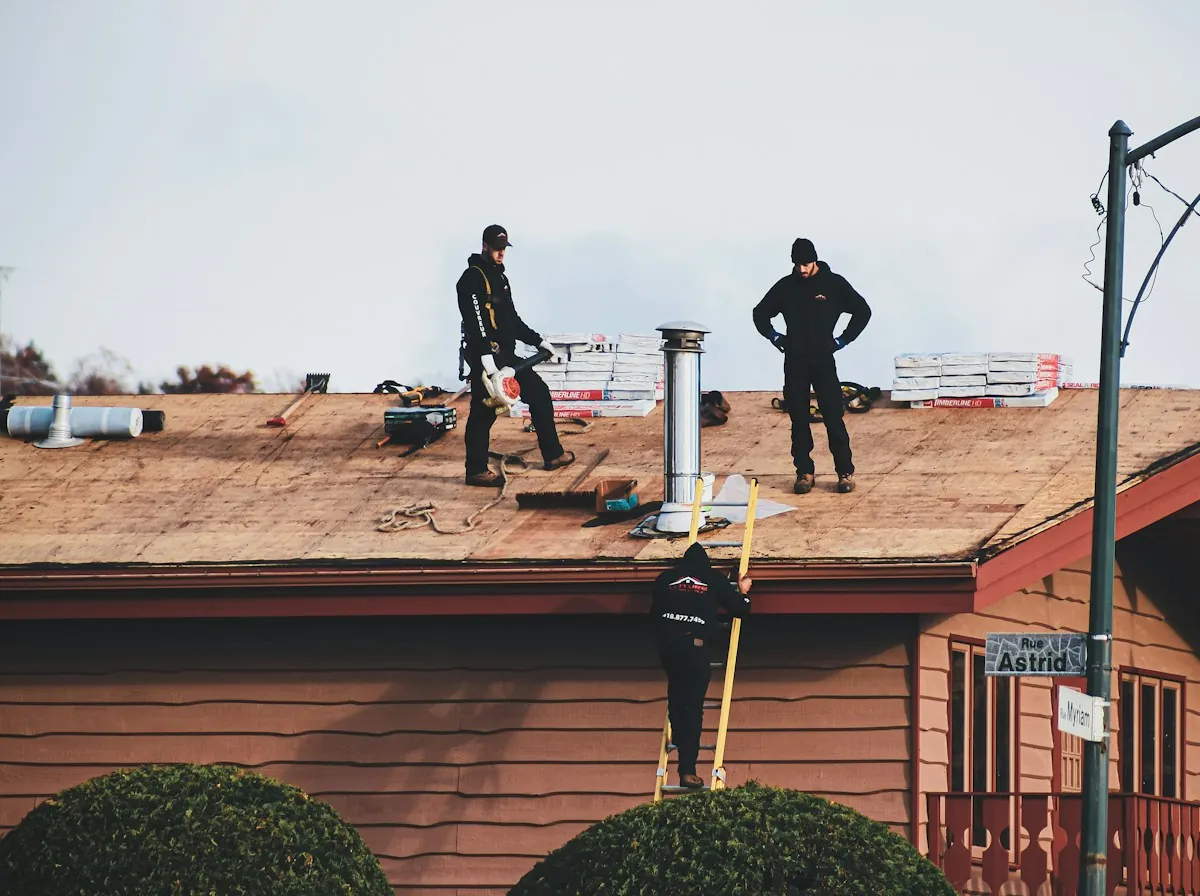
Under this canopy maintenance is not optional, it is the main event. Valleys and gutters fill every autumn, and a blocked gutter that freezes at an eaves with no ice barrier is the single most common cause of winter leaks in the borough. One visit in October changes the outcome.
Maintenance is an inspection at $150 to $400 and whatever minor work it finds, which starts at $150 and rarely exceeds $600. Set against a replacement at $9,500 to $26,000, the arithmetic is not subtle, and almost nobody does it.


Maintenance is an inspection at $150 to $400 plus whatever minor work it finds, which starts at $150 and rarely exceeds $600. Set that against a replacement at $9,500 to $26,000 and the arithmetic is not subtle. Almost nobody does it. Two lines belong on a Hawthorne quote that would not appear in a treeless town: limb protection or trimming before a tear-off, and gutter capacity sized for the actual leaf load. Both are cheaper than the roof they protect.
Debris in valleys and gutters holding water against the covering. Sealant at a penetration that has opened. A lifted ridge cap. A blocked outlet on a flat section. Minutes of work now, a ceiling later, and none of it visible from the ground.
The visit that changes the outcome is the one before the freeze, because that is when clearing a valley and a gutter matters. A spring visit tells you what the winter did, which is useful and a more expensive way to find out.
Under a mature canopy this is not thrift, it is the main defense. It is worth least on a new roof with nothing overhanging it, and we will say so rather than selling a plan nobody needs.
Mature trees are the local factor, and they act on gutters more than on coverings. Leaf load fills a five-inch gutter and a blocked gutter freezes solid -- which at an eaves with no ice barrier beneath the shingles is how water goes backwards under the courses. Gutter capacity is worth more than gutter material here.
Two are about New Jersey specifically, and one catches more than you would expect across eight town lines.
'Repair roof' is not a scope. 'Re-bed the valley, replace two vent boots, re-lap the upstand to the parapet' is -- and it can be checked when the work is finished, which is the entire point.
Membrane and thickness on a flat roof. Gutter size and downspout size on gutters. Shingle grade on a pitch. Those are the lines that separate a cheap quote from a lesser roof, and they are the first things left out.
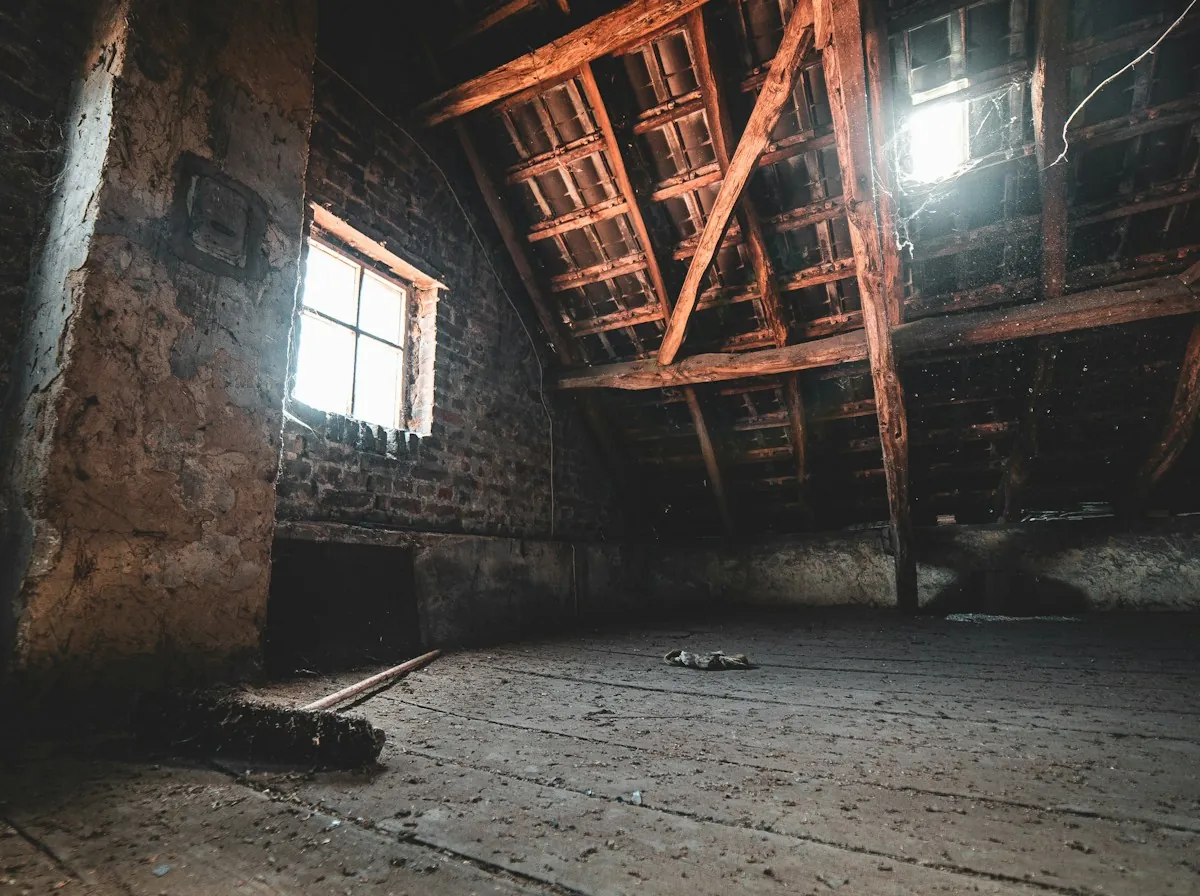
On most of this housing the truth about where water traveled is visible from underneath and nowhere else. A quote produced from the roof alone has skipped the half that tells you where to work.
Under mature trees the repair is frequently not on the roof at all.
Two lines belong on a Hawthorne quote that would not appear in a treeless town: protecting or trimming limbs before a tear-off, and gutter capacity sized for the actual leaf load rather than replaced like for like.
Debris is what kills a flat roof under trees.
Under trees a skylight collects debris around its curb, and debris held against a flashing keeps it wet long after the rain has stopped.
The autumn inspection is the one that pays for itself here, because under mature trees it catches the valley and the gutter before the freeze rather than after it.
Parapets and outlets. No eaves, no gutters, edge failures.
Large and varied. Real eaves, real gutters, real driveways.
Narrow plots, and two roof systems on one building.
The middle of the range, and genuinely unpredictable.
Built as a set, so the street is a reliable guide.
Driveways and side access, but hillside staging.
Victorian detail. Never price this on area alone.
What people ask about this work, answered plainly.
It can be, which is why this one is priced as an inspection plus whatever minor work it finds rather than as a subscription. On a new roof with nothing overhanging it, we will tell you that you do not need one yet.
Autumn, before the freeze, because that is when clearing a valley and a gutter actually changes the outcome. A spring visit is still useful -- it tells you what the winter did -- but it is a more expensive way to find out.
Usually yes, and it is the part of a gutter quote worth arguing about. A five-inch gutter on a large steep roof overflows in a downpour however well it is hung; six-inch with three-by-four downspouts costs a little more per foot and actually works. Material matters far less than size and fall.
Often not. Almost every skylight leak is a flashing leak rather than a glass or seal failure: the unit sits on a curb and the covering has to be dressed up and over it. A fogged, failed unit does need replacing. A sound unit on a badly flashed curb does not, and we will tell you which you have.
Because they are describing their own process, not the law. New Jersey has a statewide Uniform Construction Code enforced locally, so the code is identical in Passaic, Clifton, Garfield, Lodi, Elmwood Park, Hawthorne, Totowa and Rutherford. What each town has of its own is a construction office, a fee schedule and an inspection diary.
The correct construction office confirmed before anything is booked. New Jersey figures, stated per lane rather than as one number.